
An 8-Minute Video Tutorial
On April 15, 2022, GitHub published a security blog post identifying compromises in third-party integrations by Heroku, a division of Salesforce, and continuous integration provider Travis CI. The breach is still under investigation and specific causes and details aren’t yet available. But similar breaches caused by third-party apps connected to SaaS platforms via OAuth tokens are unfortunately very common.
AppOmni CEO Brendan O’Connor explains the risks businesses and enterprises face from OAuth tokens and third-party SaaS applications in this 8-minute video.
How many third party apps are connected to SaaS platforms?
AppOmni’s research has found that on average, organizations have 42 third-party applications connected to their enterprise SaaS platforms. These consist of large, well-known applications—such as marketing automation or e-signing—as well as apps from small, lesser-known companies. Third-party SaaS apps can be installed by users at will, and each app introduces an entirely new attack surface. More than half of the connected apps in our data set were installed by end users, as opposed to security or IT teams.
How do OAuth Tokens work?
Many third-party applications connect to SaaS platforms via OAuth tokens. Unlike new users logging into a SaaS environment, OAuth tokens don’t need to authenticate via an identity provider after their initial grant. Instead, they are granted access by a user, and that user’s credentials are essentially duplicated and granted to the app via an OAuth token. Once the app has access to the SaaS platform and data via OAuth, it maintains that access indefinitely until access is revoked. If an organization doesn’t actively manage its OAuth tokens, its SaaS ecosystem likely contains many third-party apps that are no longer used, but that still maintain access to sensitive data.
To reduce risk, security teams need to gain continuous visibility into which third-party apps are connected to their SaaS platforms, understand the level of data access each app has, and continuously monitor and manage their SaaS ecosystem to revoke access for unused apps.
OAuth Token: What It Is, How It Works, and Its Vulnerabilities
Learn how OAuth works and the risks of improper OAuth implementation that may introduce attack vectors on your SaaS estate.

Related Resources
-

Walk, Run, Fly: A Practical Framework for SaaS Security Prioritization
Learn how to prioritize the SaaS applications that matter most using a practical 80/20 framework to reduce risk, strengthen security, and build a scalable SaaS security program.
-
OpenAI’s attack agent did exactly what it was told – just more relentlessly than expected
OpenAI’s unintended attack on Hugging Face startled the world because its AI agent was acting on its own. But that’s exactly what agentic AI is designed to do. We just didn’t expect it to do it so well.
-
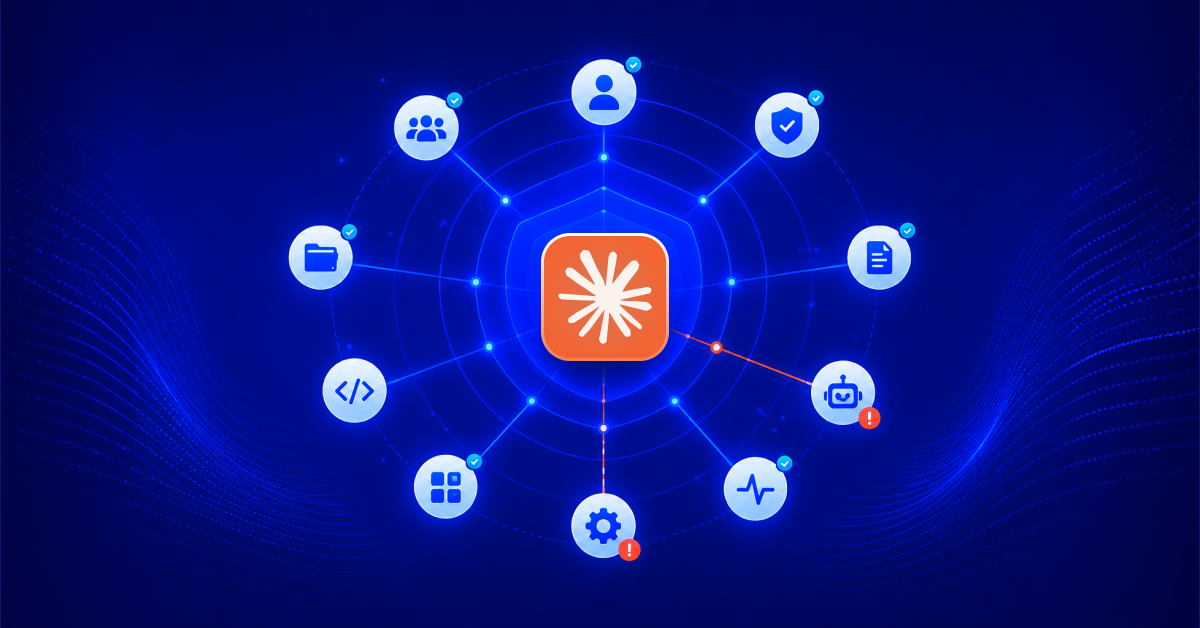
Securing Claude: How AppOmni brings enterprise-grade governance to Anthropic’s AI platform
Claude stores enterprise content, runs agents, and exposes data via APIs. AppOmni brings continuous posture management, identity governance, and threat detection to Claude Enterprise.